
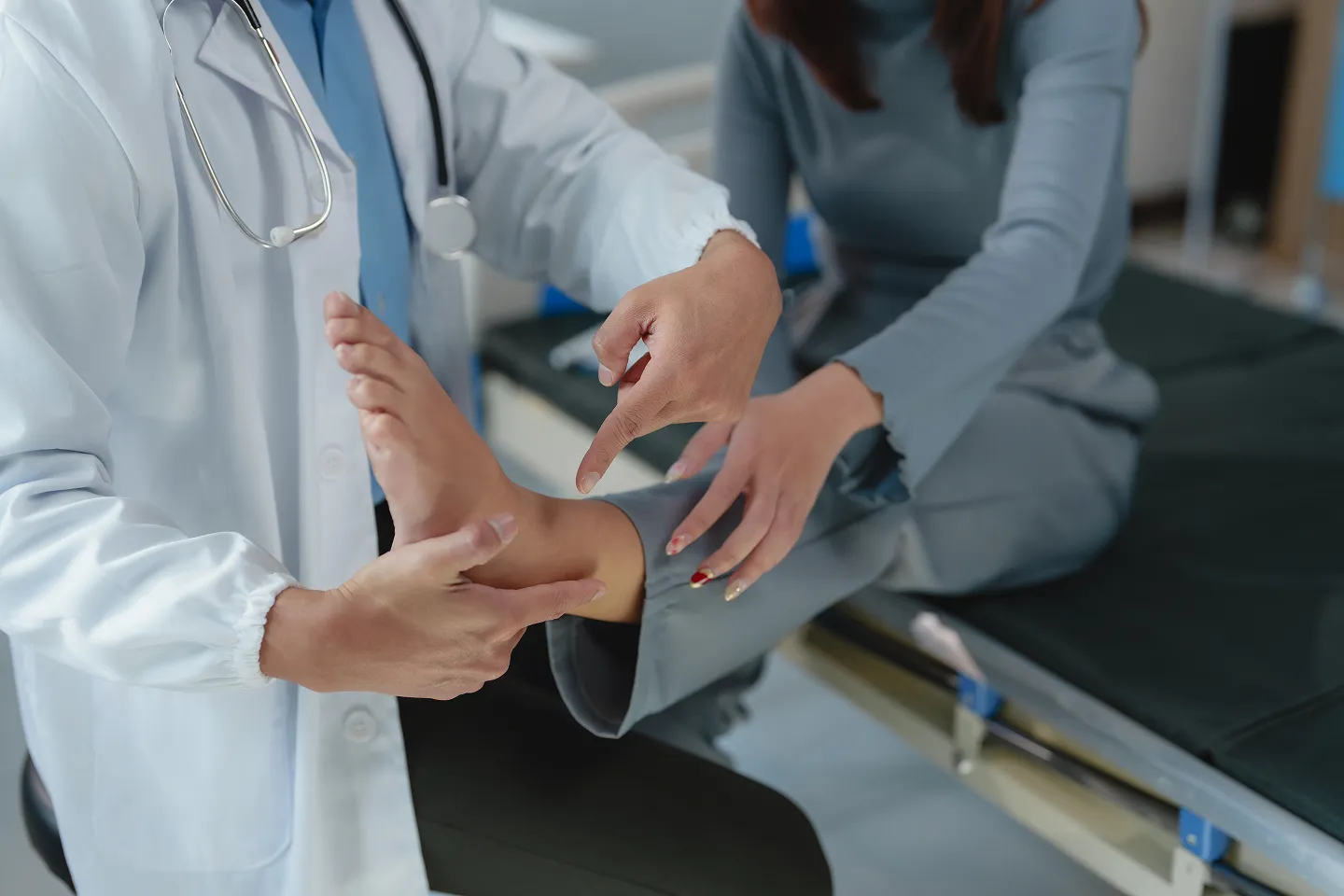
Fractures, commonly known as broken bones, are a frequent reason for orthopedic consultations. They can occur from falls, accidents, sports injuries, or medical conditions like osteoporosis. Understanding the types of fractures, treatment options, and healing process can help patients and caregivers respond effectively, reduce complications, and ensure proper recovery.
What Is a Fracture?
A fracture is a break, crack, or chip in a bone. Depending on the force and direction of injury, fractures vary in severity, ranging from hairline cracks to completely broken bones. While fractures can happen to anyone, the elderly and those with weakened bones are particularly susceptible.
Common Types of Fractures
Fractures are classified based on appearance, location, and severity:
1. Closed (Simple) Fracture
The bone breaks but does not pierce the skin. Usually easier to manage and less prone to infection.
2. Open (Compound) Fracture
The broken bone pierces the skin, increasing the risk of infection. Immediate medical attention is critical.
3. Comminuted Fracture
The bone breaks into several pieces. Often caused by high-impact trauma.
4. Greenstick Fracture
Partial break, common in children because their bones are softer and more flexible.
5. Transverse, Oblique, and Spiral Fractures
- Transverse: Straight horizontal break.
- Oblique: Diagonal break.
- Spiral: A Twisting fracture often caused by rotational injuries.
6. Stress Fracture
A small crack caused by repetitive stress is common in athletes and runners.
How Are Fractures Treated?
Treatment depends on the type, location, and severity of the fracture:
1. Immobilization
- Casts or splints keep the bone in place while it heals.
- Ensures proper alignment and prevents further injury.
2. Medication
- Pain relief and anti-inflammatory drugs help manage discomfort.
- Sometimes antibiotics are needed for open fractures.
3. Reduction
- For displaced bones, the orthopedic surgeon may realign the bone manually (closed reduction) or surgically (open reduction).
4. Surgery
- Internal fixation using plates, screws, or rods may be required for severe fractures.
- External fixation may be used for complex fractures to stabilize the bone.
5. Physiotherapy
- After immobilization or surgery, exercises help restore mobility, strength, and flexibility.
The Healing Process: What to Expect
Bone healing is a natural process that occurs in stages:
1. Inflammatory Phase (First Few Days)
- Blood clots form around the fracture.
- Pain, swelling, and redness are common.
2. Reparative Phase (Weeks 2–6)
- New bone tissue (callus) forms.
- Immobilization is critical during this stage.
3. Remodeling Phase (Months 3–12)
- Bone strengthens and reshapes to its original form.
- Gradual return to normal activity is advised under medical guidance.
Healing times vary depending on age, the bone affected, overall health, and treatment adherence.
Preventing Complications
Complications can delay healing or affect long-term mobility. To minimize risk:
- Follow the surgeon’s instructions strictly.
- Avoid putting weight on the affected limb until cleared.
- Maintain a balanced diet rich in calcium and vitamin D.
- Attend all follow-up appointments.
- Watch for signs of infection, abnormal swelling, or persistent pain.
Frequently Asked Questions
1. How long does a fracture take to heal?
Most fractures heal within 6–12 weeks, but complex fractures may take several months.
2. Can a fracture heal without a cast?
Minor or non-displaced fractures may heal with splints or braces, but proper medical evaluation is essential.
3. Are children’s fractures different from adults?
Yes. Children’s bones heal faster and are more flexible, often requiring less invasive treatment.
4. When is surgery necessary for a fracture?
Surgery is usually required for displaced, comminuted, or open fractures that cannot be realigned manually.
5. Can I resume normal activities during recovery?
Light activities may be allowed as per your surgeon’s advice, but high-impact movements should be avoided until full healing.
Consult Dr. Sumit Karak for Expert Fracture Care
Fractures, if untreated or improperly managed, can lead to long-term pain, deformities, or limited mobility. Dr. Sumit Karak, Consultant Orthopedic Surgeon, specializes in diagnosing and treating fractures of all types, using both non-surgical and advanced surgical techniques. With personalized treatment plans and a focus on faster recovery, he ensures patients regain mobility safely and efficiently.
Whether it’s a simple fracture, complex trauma, or post-surgical rehabilitation, expert guidance makes all the difference. Book a consultation with Dr. Sumit Karak today and take the first step toward proper healing and restored independence.