
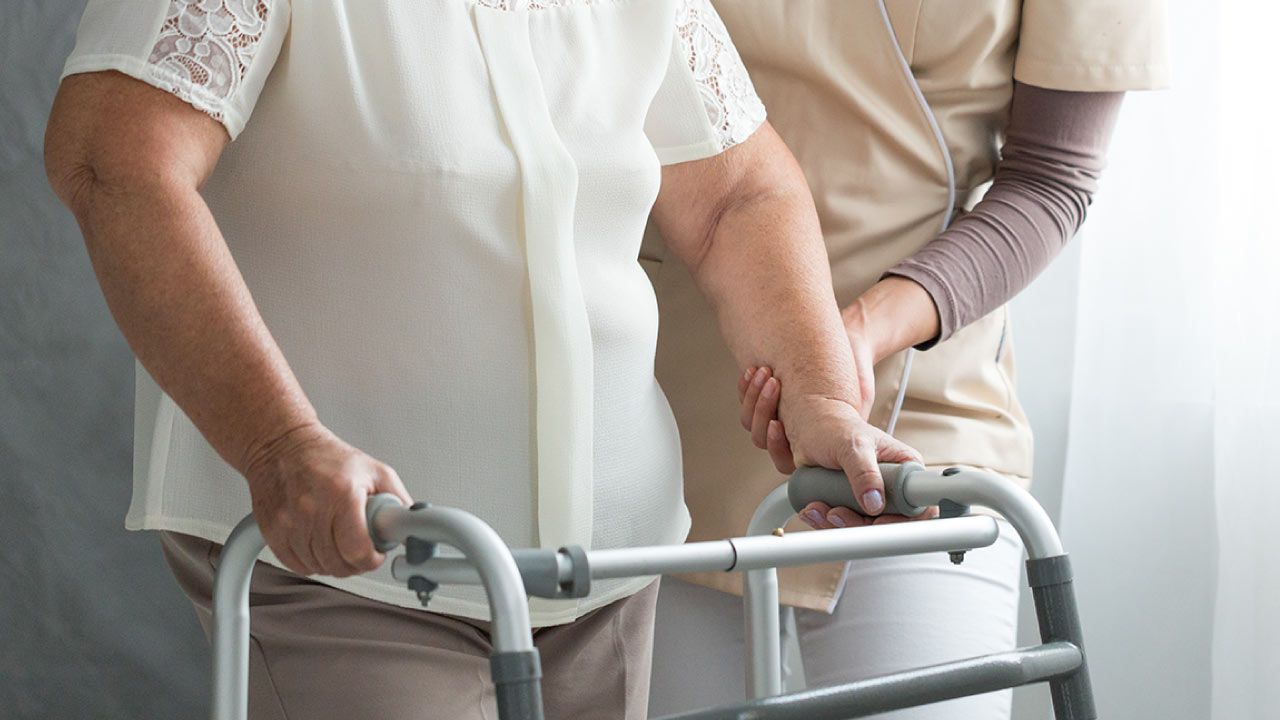
Hip fractures are a common and serious health concern among elderly individuals. They usually occur due to weakened bones, reduced balance, and increased risk of falls. A hip fracture can significantly impact mobility, independence, and overall quality of life. Prompt diagnosis, appropriate treatment, and structured rehabilitation are essential to ensure optimal recovery.
According to Dr. Sumit Karak, early recognition and timely orthopedic care play a crucial role in preventing complications and improving functional outcomes in elderly patients with hip fractures.
Causes Of Hip Fractures In Elderly Patients
Age-related bone weakening is the most common reason for hip fractures. Conditions such as osteoporosis reduce bone density, making bones more fragile and prone to fractures even with minor trauma.
Common causes include:
- Falls due to poor balance or muscle weakness
- Osteoporosis leading to fragile bones
- Vitamin D or calcium deficiency
- Vision problems increasing fall risk
- Chronic medical conditions affecting mobility
- Certain medications causing dizziness or instability
Understanding these risk factors helps in prevention and early intervention.
Symptoms Of A Hip Fracture
Symptoms may vary depending on the severity of the fracture, but some signs require immediate medical attention.
Typical symptoms include:
- Severe pain in the hip or groin area
- Difficulty standing or walking
- Shortened or externally rotated leg
- Swelling or bruising around the hip
- Inability to bear weight on the affected side
Any suspected hip fracture should be treated as a medical emergency.
Diagnosis And Evaluation
Accurate diagnosis is essential for planning appropriate treatment. Doctors usually begin with a clinical examination and imaging studies.
Diagnostic methods may include:
- X-rays to confirm the fracture
- MRI or CT scan in complex cases
- Bone density testing if osteoporosis is suspected
- Assessment of overall health and mobility
Comprehensive evaluation helps determine the best treatment approach.
Treatment Options For Hip Fractures
Treatment depends on fracture type, patient health status, and functional needs.
Surgical Treatment
Most hip fractures in elderly patients require surgical intervention to stabilize the bone and allow early mobility.
Common surgical procedures include:
- Internal fixation using screws, plates, or rods
- Partial hip replacement
- Total hip replacement in selected cases
Early surgery often reduces complications such as prolonged immobility.
Non-Surgical Management
In rare cases where surgery is not feasible due to severe medical conditions, conservative treatment may be considered. This includes pain management, physiotherapy, and careful monitoring.
However, prolonged immobilization may increase risks such as bed sores or blood clots.
Rehabilitation And Recovery
Rehabilitation is a critical part of recovery after a hip fracture. Early mobilization helps restore strength, prevent complications, and improve independence.
Rehabilitation typically involves:
- Physiotherapy for strength and balance
- Gradual weight-bearing exercises
- Pain management strategies
- Nutritional support for bone healing
- Fall prevention education
Consistent rehabilitation improves functional outcomes and quality of life.
Possible Complications
Hip fractures in elderly individuals can lead to complications if not managed properly.
Potential complications include:
- Blood clots or deep vein thrombosis
- Pneumonia due to immobility
- Pressure sores
- Muscle weakness
- Reduced independence
Early treatment and rehabilitation significantly reduce these risks.
Prevention Of Hip Fractures
Preventive strategies are essential, especially for older adults at risk of osteoporosis or falls.
Helpful preventive measures include:
- Adequate calcium and vitamin D intake
- Regular weight-bearing exercise
- Fall-proofing the home environment
- Vision and balance assessment
- Osteoporosis screening and treatment
- Regular health checkups
Prevention plays a key role in maintaining mobility and independence.
Importance Of Early Orthopedic Care
Timely orthopedic evaluation ensures:
- Accurate diagnosis
- Appropriate surgical planning if needed
- Faster recovery
- Reduced risk of complications
- Better long-term mobility
Early intervention improves overall outcomes in elderly patients.
Why Consult Dr. Sumit Karak
Dr. Sumit Karak specializes in comprehensive orthopedic care with expertise in managing fractures in elderly patients. With advanced surgical techniques, personalized rehabilitation planning, and patient-focused care, the goal is to restore mobility safely and effectively.
Early consultation ensures proper diagnosis, expert treatment, and guidance for long-term bone health.
Frequently Asked Questions
Q: Are hip fractures common in elderly patients?
Yes, they are relatively common due to osteoporosis, falls, and age-related bone weakness.
Q: Is surgery always required for hip fractures?
Most hip fractures require surgery for proper healing and mobility restoration, though treatment depends on individual health conditions.
Q: How long does recovery take after a hip fracture?
Recovery varies but typically involves several weeks to months with physiotherapy and rehabilitation.
Q: Can hip fractures be prevented?
Yes. Bone health maintenance, fall prevention, and regular health checkups help reduce risk.
Q: When should I consult a specialist?
Immediate consultation is necessary after any fall with hip pain, difficulty walking, or suspected fracture.
Conclusion
Hip fractures in elderly patients are a significant health concern requiring prompt medical attention. Early diagnosis, appropriate treatment, and structured rehabilitation greatly improve recovery and quality of life. Preventive strategies such as maintaining bone health and reducing fall risk are equally important.
For expert orthopedic evaluation, fracture management, and rehabilitation guidance, consult Dr. Sumit Karak for comprehensive and personalized care.