
Introduction
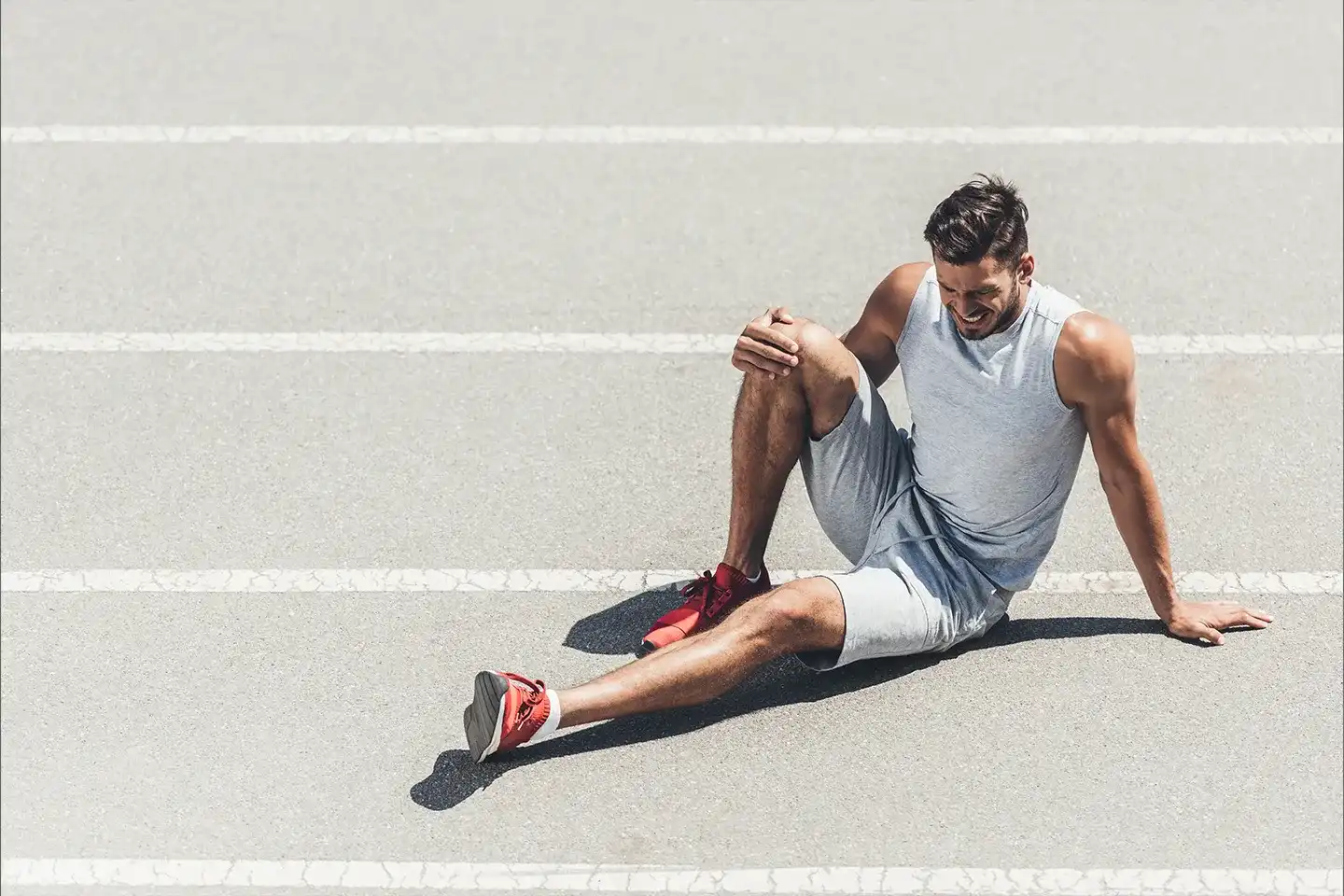
Runner’s knee, medically known as Patellofemoral Pain Syndrome (PFPS), is a common condition affecting athletes and active individuals. Despite the name, it is not limited to runners; anyone who overuses or stresses the knee joint can develop it.
This condition primarily causes pain around or behind the kneecap, making activities like running, climbing stairs, or sitting for long periods uncomfortable. Understanding its causes, symptoms, and risk factors is essential for effective prevention and treatment.
What Is Runner’s Knee?
Runner’s knee refers to pain at the front of the knee due to irritation of the cartilage under the kneecap or misalignment of the kneecap during movement. The condition often develops gradually and worsens with activity, particularly those that put repeated stress on the knee joint.
It can affect one or both knees and is typically seen in young adults, athletes, and even sedentary individuals who suddenly increase physical activity.
Common Causes of Runner’s Knee
1. Overuse or Repetitive Stress
- Frequent running, jumping, or cycling can strain the knee joint.
- Sudden increases in training intensity or distance often trigger symptoms.
2. Misalignment of the Kneecap
Weak thigh muscles or imbalanced quadriceps can cause the kneecap to track improperly, leading to irritation.
3. Weak Muscles
Weak quadriceps, hip, or core muscles reduce knee stability and increase stress on the joint.
4. Foot and Leg Structure Issues
Flat feet, high arches, or improper footwear can alter gait and strain the knee.
5. Trauma or Previous Injuries
Past knee injuries, ligament tears, or meniscus problems can increase susceptibility.
Symptoms of Runner’s Knee
- Pain around or behind the kneecap, often worsening with activity
- Discomfort when climbing stairs or squatting
- Swelling around the knee in some cases
- A grating or popping sensation during movement
- Pain after sitting for long periods (“theater sign”)
Symptoms may appear gradually and are usually aggravated by physical activity. Early recognition is crucial to prevent worsening of the condition.
Risk Factors for Runner’s Knee
- Age and Gender: Common in young adults; women are at higher risk due to wider pelvis affecting kneecap alignment.
- Physical Activity: Runners, cyclists, and athletes in sports with repetitive knee bending are more prone.
- Muscle Imbalance: Weak thigh, hip, or core muscles increase knee stress.
- Footwear and Surface: Worn-out shoes or running on hard surfaces can contribute.
- Weight: Excess body weight increases pressure on the knee joint.
Preventive Measures
1. Strengthening Exercises
- Focus on quadriceps, hamstrings, hips, and core to improve knee stability.
- Examples include squats, lunges, step-ups, and hip abductor exercises.
2. Proper Footwear
- Use shoes appropriate for your activity type and gait.
- Consider orthotics for flat feet or high arches.
3. Gradual Training Increase
- Avoid sudden increases in distance, intensity, or frequency of activity.
- Incorporate rest days to allow muscles and joints to recover.
4. Stretching and Warm-Up
- Stretching quadriceps, hamstrings, calves, and IT band reduces tension on the knee.
- Warm-up before exercise increases blood flow and joint mobility.
5. Cross-Training
Include low-impact exercises like swimming or cycling to maintain fitness without overloading the knees.
FAQs About Runner’s Knee
1. Can non-runners get runner’s knee?
Yes. Anyone who puts repetitive stress on the knee, such as cyclists, hikers, or office workers sitting for long periods, can develop runner’s knee.
2. Is surgery needed for runner’s knee?
Most cases respond to conservative management like physical therapy, exercises, and activity modification. Surgery is rarely required.
3. How long does it take to recover?
With proper treatment and rest, symptoms usually improve within a few weeks to a few months.
4. Can running worsen the condition?
Continuing high-impact activity without addressing the underlying cause can aggravate pain and delay recovery.
5. How can I prevent recurrence?
Strengthening exercises, proper footwear, gradual training, and stretching help prevent recurrence.
Conclusion
Runner’s knee is a common, manageable condition that can affect anyone who stresses the knee joint, whether through sports, daily activity, or sudden changes in exercise. Early recognition, strengthening exercises, proper footwear, and gradual activity adjustments are key to relief and prevention. Consulting an orthopedic or sports specialist like Dr. Sumit Karak ensures accurate diagnosis, personalized treatment, and safe return to activity.
If You Experience Knee Pain, Swelling, or Discomfort During Activity, Schedule a Consultation With Dr. Sumit Karak. Early Assessment and Personalized Management Can Help You Stay Active and Prevent Long-Term Knee Problems.