
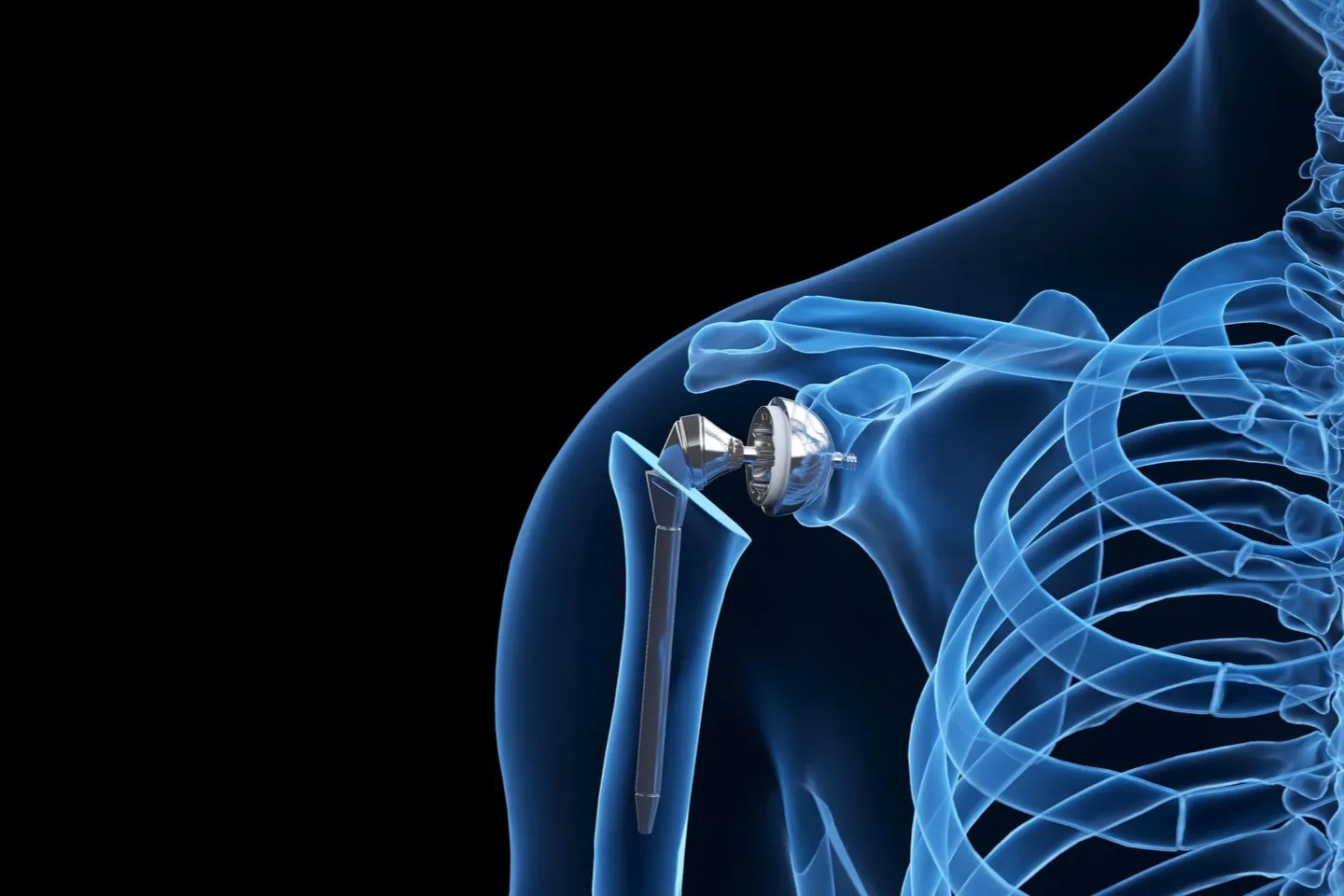
The shoulder joint is one of the most flexible joints in the human body, allowing a wide range of motion for everyday activities such as lifting, reaching, and rotating the arm. However, conditions like severe arthritis, injuries, or degenerative joint diseases can damage the shoulder joint and lead to chronic pain and reduced mobility.
When medications, physiotherapy, and other treatments no longer provide relief, shoulder replacement surgery may be recommended. This procedure can significantly reduce pain and restore shoulder function, helping patients return to their normal activities.
Dr. Sumit Karak specializes in evaluating shoulder conditions and recommending appropriate treatment options, including advanced surgical procedures when necessary. Understanding when shoulder replacement becomes necessary can help patients make informed decisions about their treatment.
What Is Shoulder Replacement Surgery?
Shoulder replacement surgery, also known as shoulder arthroplasty, is a procedure in which damaged parts of the shoulder joint are replaced with artificial components. These components are designed to replicate the natural movement of the joint and reduce pain caused by joint damage.
The surgery typically involves replacing the damaged head of the upper arm bone and sometimes the socket of the shoulder joint.
Shoulder replacement can improve mobility, relieve pain, and enhance overall quality of life for patients with severe shoulder joint damage.
Common Conditions That May Require Shoulder Replacement
Shoulder replacement is usually considered when the joint is severely damaged and conservative treatments are no longer effective.
Some conditions that may lead to shoulder replacement include:
- Severe osteoarthritis of the shoulder
- Rheumatoid arthritis affecting the shoulder joint
- Rotator cuff tear arthropathy
- Complex fractures of the shoulder joint
- Avascular necrosis of the shoulder bone
- Post-traumatic arthritis following injuries
These conditions can cause progressive joint damage that limits movement and causes persistent discomfort.
Symptoms That May Indicate The Need For Shoulder Replacement
Certain symptoms suggest that the shoulder joint may be significantly damaged.
- Persistent shoulder pain even at rest
- Severe stiffness that limits arm movement
- Difficulty performing daily activities such as dressing or lifting objects
- Pain that interferes with sleep
- Weakness in the shoulder
- Reduced range of motion
If these symptoms continue despite treatment, surgery may be considered.
When Is Shoulder Replacement Recommended?
Doctors usually recommend shoulder replacement when other treatments have failed to provide adequate relief.
Situations where surgery may be recommended include:
- Severe joint damage visible on imaging tests
- Chronic pain that affects daily life
- Limited shoulder movement despite physiotherapy
- Failure of medications and injections to control symptoms
- Progressive worsening of joint function
A detailed evaluation helps determine whether shoulder replacement is the most appropriate treatment.
Types Of Shoulder Replacement Surgery
Different types of shoulder replacement procedures may be recommended depending on the condition of the joint.
Total Shoulder Replacement
In this procedure, both the ball and socket of the shoulder joint are replaced with artificial components. It is commonly used for patients with severe arthritis and intact rotator cuff muscles.
Partial Shoulder Replacement
Also known as hemiarthroplasty, this procedure replaces only the head of the upper arm bone while the socket remains unchanged.
Reverse Shoulder Replacement
Reverse shoulder replacement is recommended for patients with severe rotator cuff damage. In this procedure, the position of the ball and socket is reversed to improve joint stability and function.
Benefits Of Shoulder Replacement Surgery
For suitable patients, shoulder replacement surgery can provide several benefits.
- Significant reduction in shoulder pain
- Improved range of motion
- Better ability to perform daily activities
- Improved sleep due to reduced pain
- Enhanced quality of life
Most patients experience noticeable improvement in shoulder function after recovery.
Recovery After Shoulder Replacement
Recovery from shoulder replacement surgery requires time and proper rehabilitation.
Patients are usually advised to:
- Follow post-surgery care instructions carefully
- Use a sling to support the arm during early recovery
- Attend physiotherapy sessions regularly
- Perform recommended exercises to restore strength and mobility
- Avoid heavy lifting during the healing period
Full recovery may take several months, but gradual improvement is typically seen during rehabilitation.
When Should You Consult A Specialist?
You should consult an orthopedic specialist if you experience:
- Persistent shoulder pain that does not improve with treatment
- Difficulty moving the shoulder joint
- Pain that interferes with sleep
- Weakness or stiffness in the shoulder
- Reduced ability to perform everyday tasks
Early consultation helps determine the best treatment option and prevents further joint damage.
FAQs
Q: What conditions require shoulder replacement surgery?
A: Severe arthritis, rotator cuff tear arthropathy, complex fractures, avascular necrosis, and joint damage from injuries may require shoulder replacement.
Q: Is shoulder replacement surgery safe?
A: Yes. Shoulder replacement is a commonly performed orthopedic procedure with high success rates when performed by experienced specialists.
Q: How long does shoulder replacement surgery take?
A: The procedure typically takes about one to two hours, depending on the complexity of the case.
Q: How long does recovery take after shoulder replacement?
A: Recovery may take several months, with physiotherapy playing an important role in restoring movement and strength.
Q: Can shoulder replacement improve mobility?
A: Yes. Most patients experience improved shoulder movement and reduced pain after successful surgery and rehabilitation.
Regain Comfort And Mobility In Your Shoulder
Chronic shoulder pain can affect daily activities and overall quality of life. When conservative treatments are no longer effective, shoulder replacement surgery may provide long-term relief and restore function.
If you are experiencing persistent shoulder pain or reduced mobility, consult Dr. Sumit Karak for expert evaluation and personalized treatment options for shoulder joint conditions.